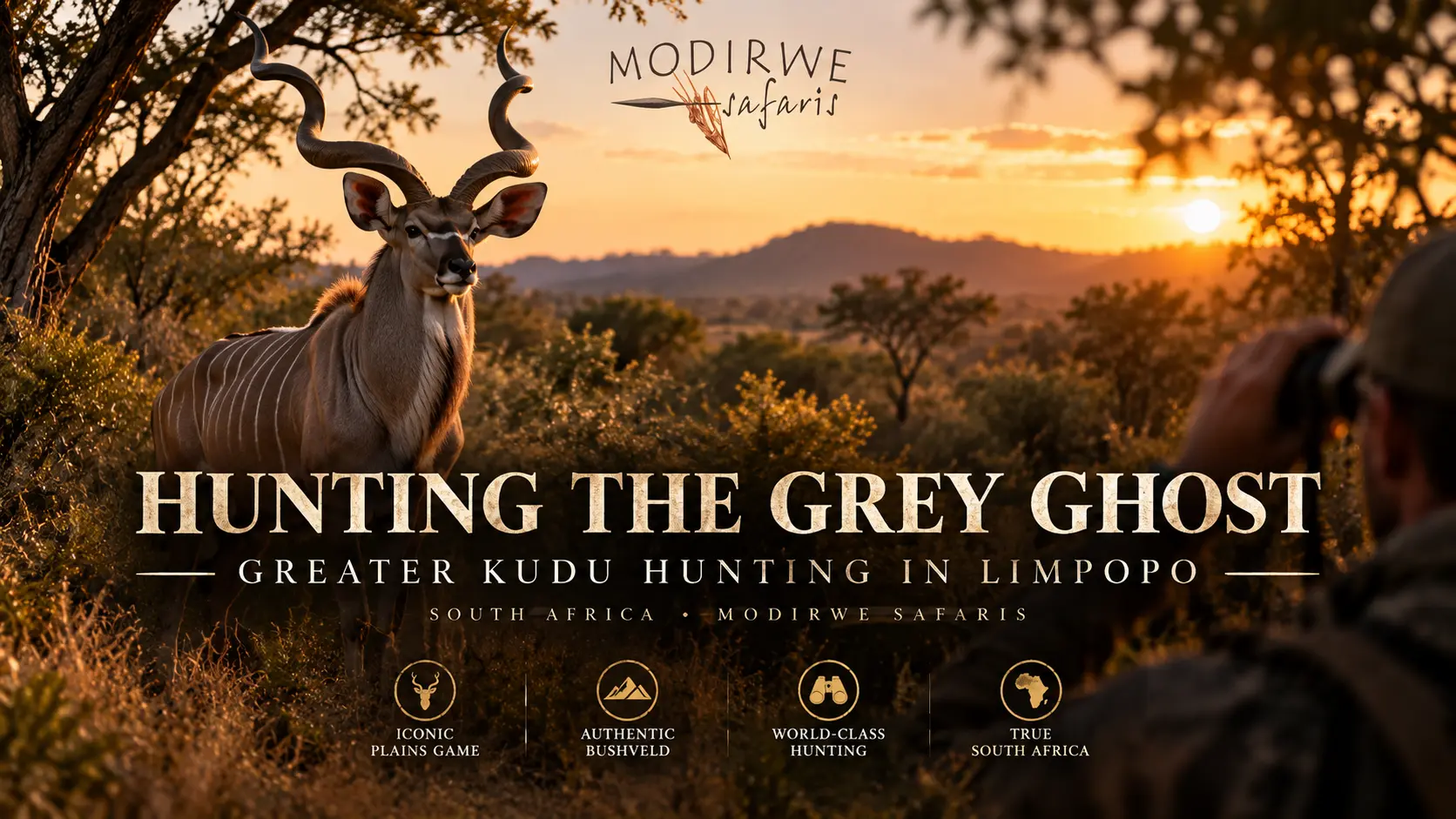
Discover what makes greater kudu one of Africa’s most iconic plains-game species, from Limpopo bushveld habitat and walk-and-stalk hunting to trophy evaluation and preparing for your kudu safari.
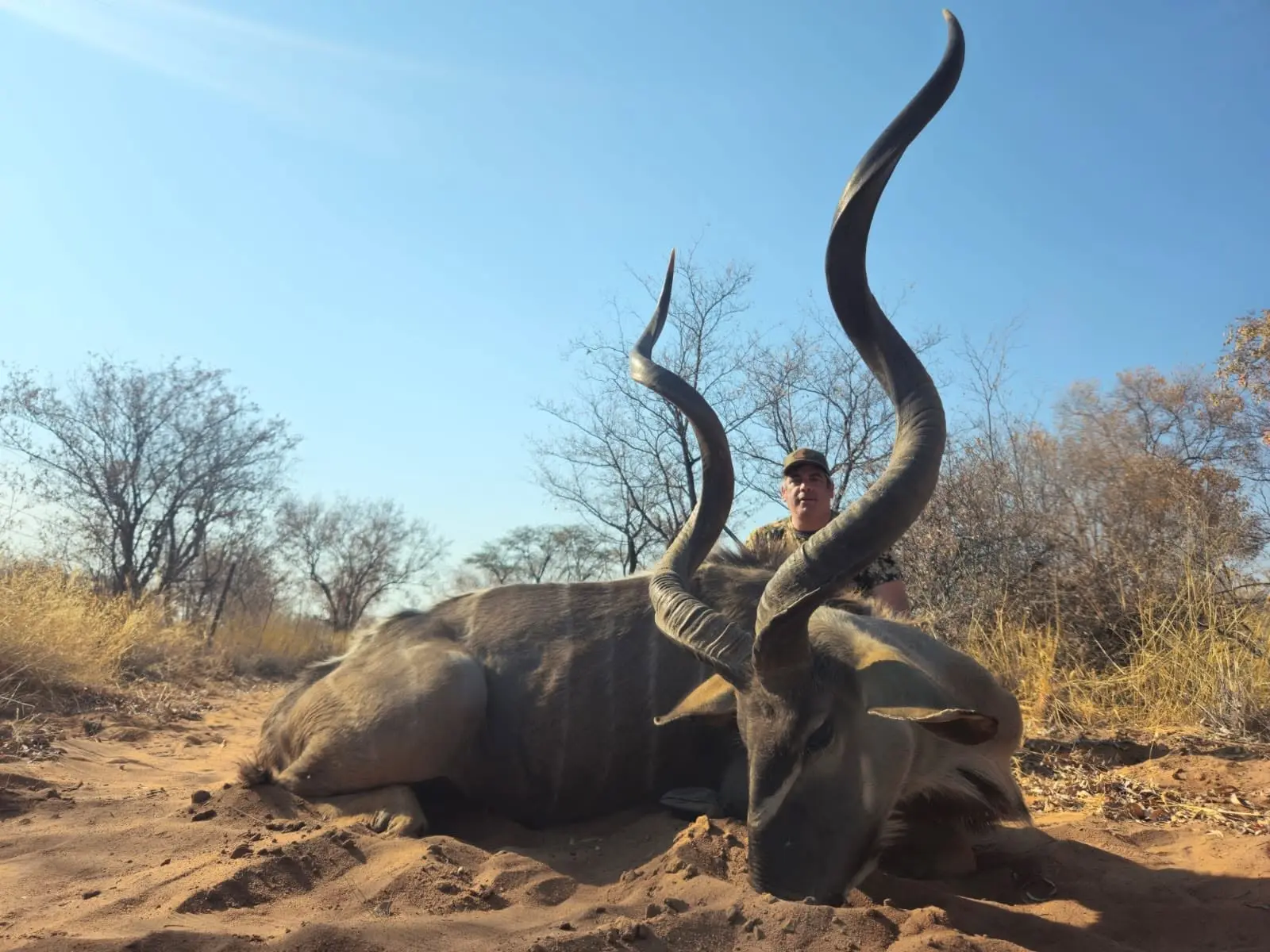
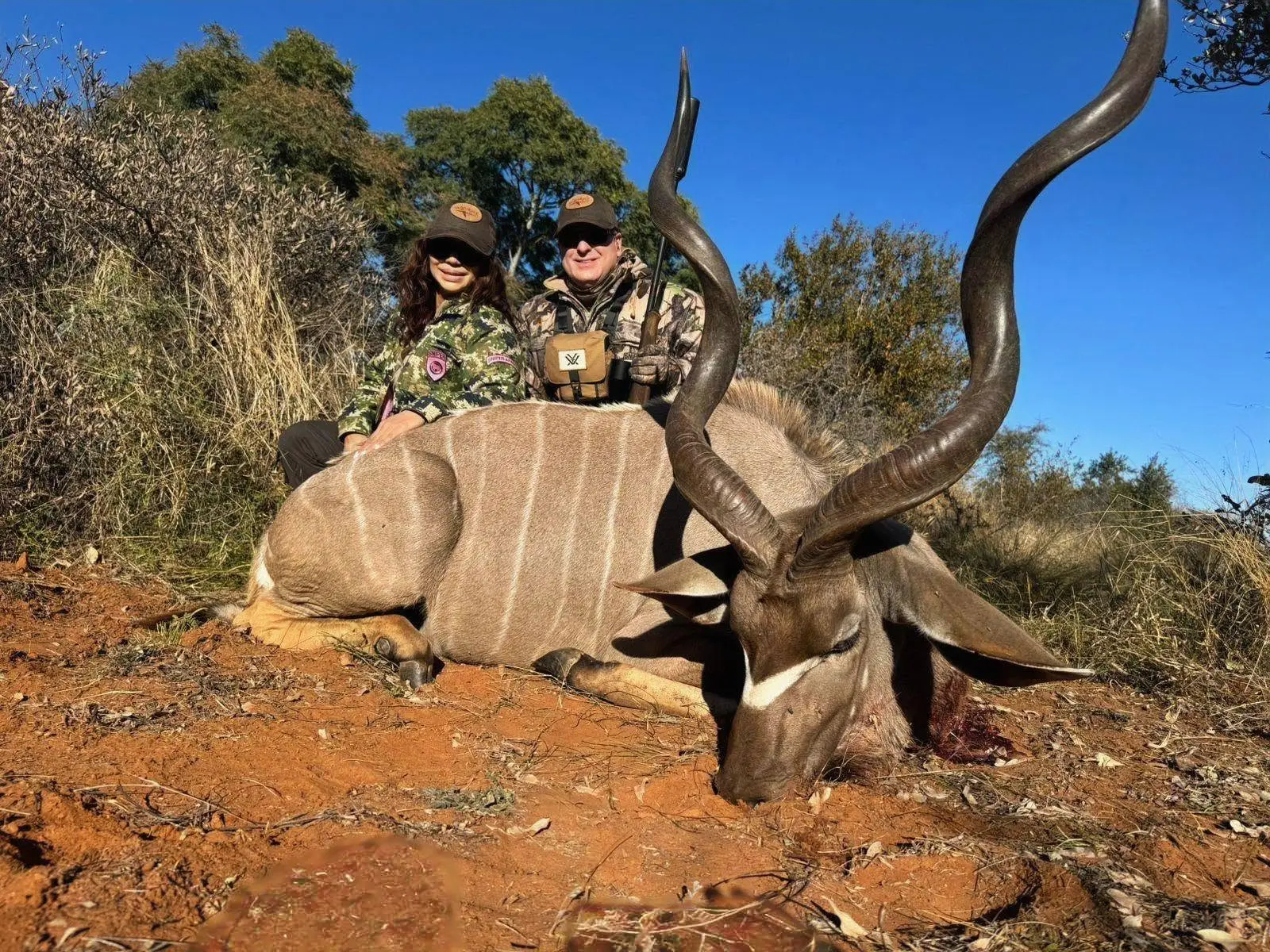
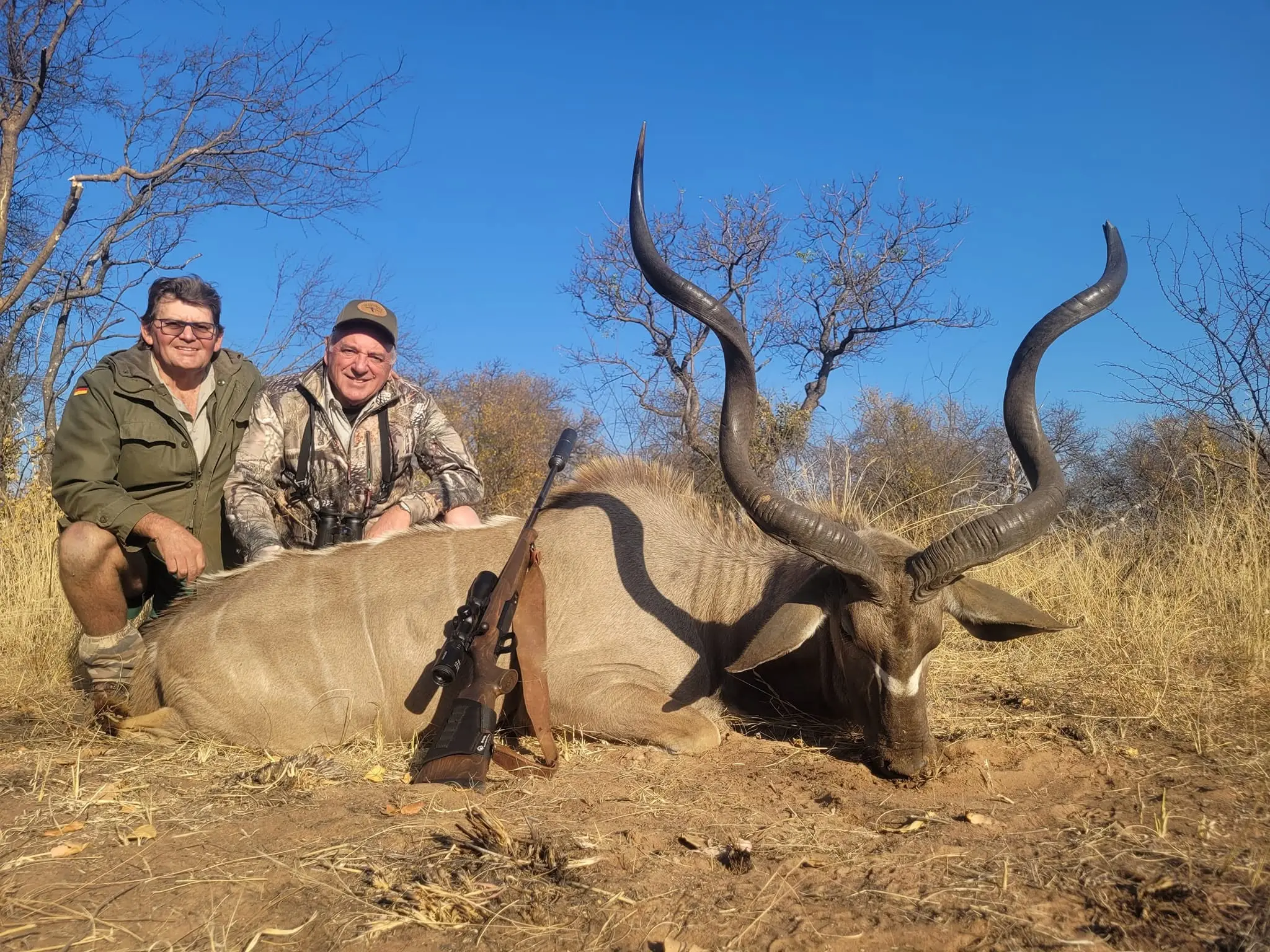
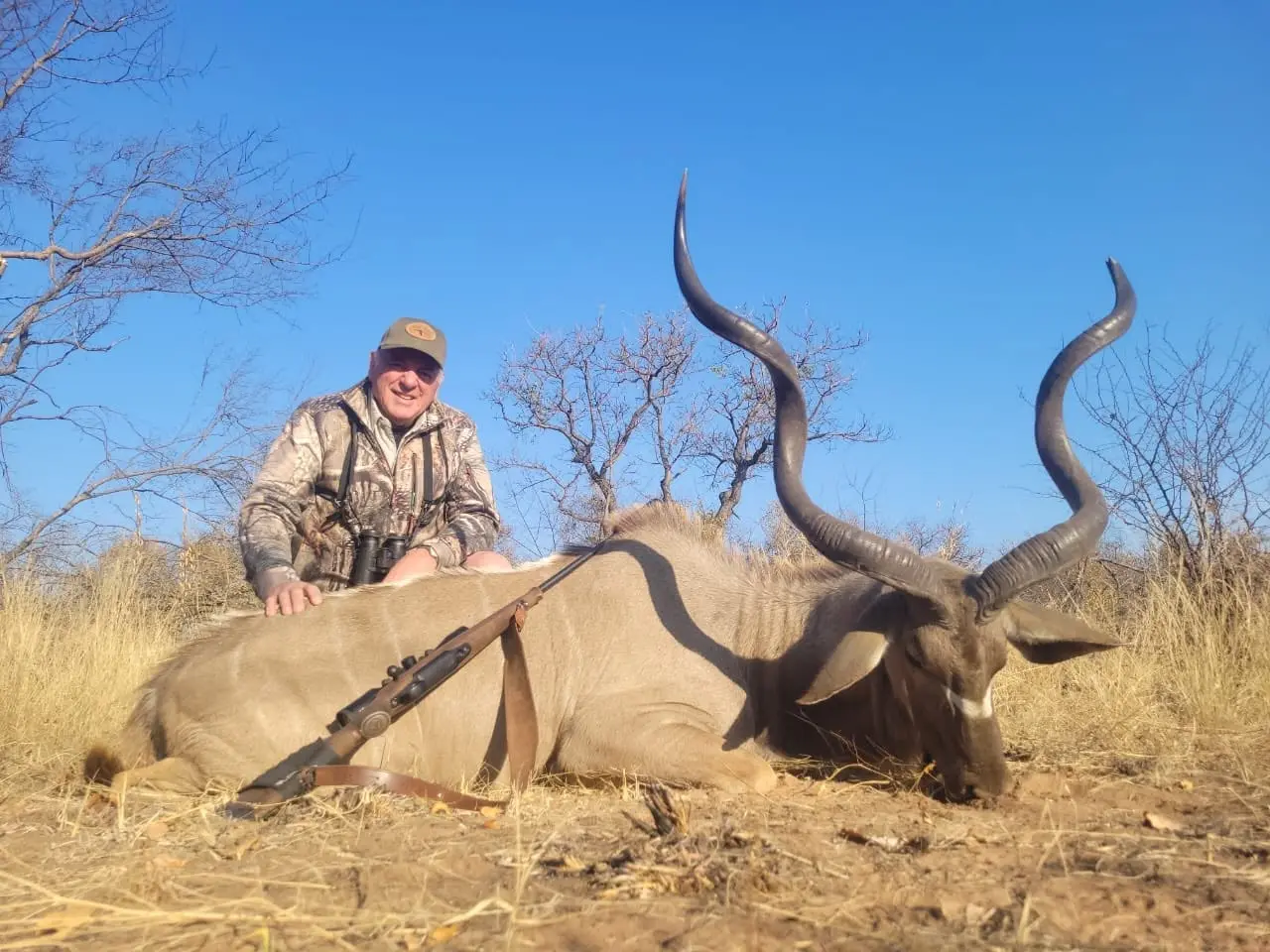
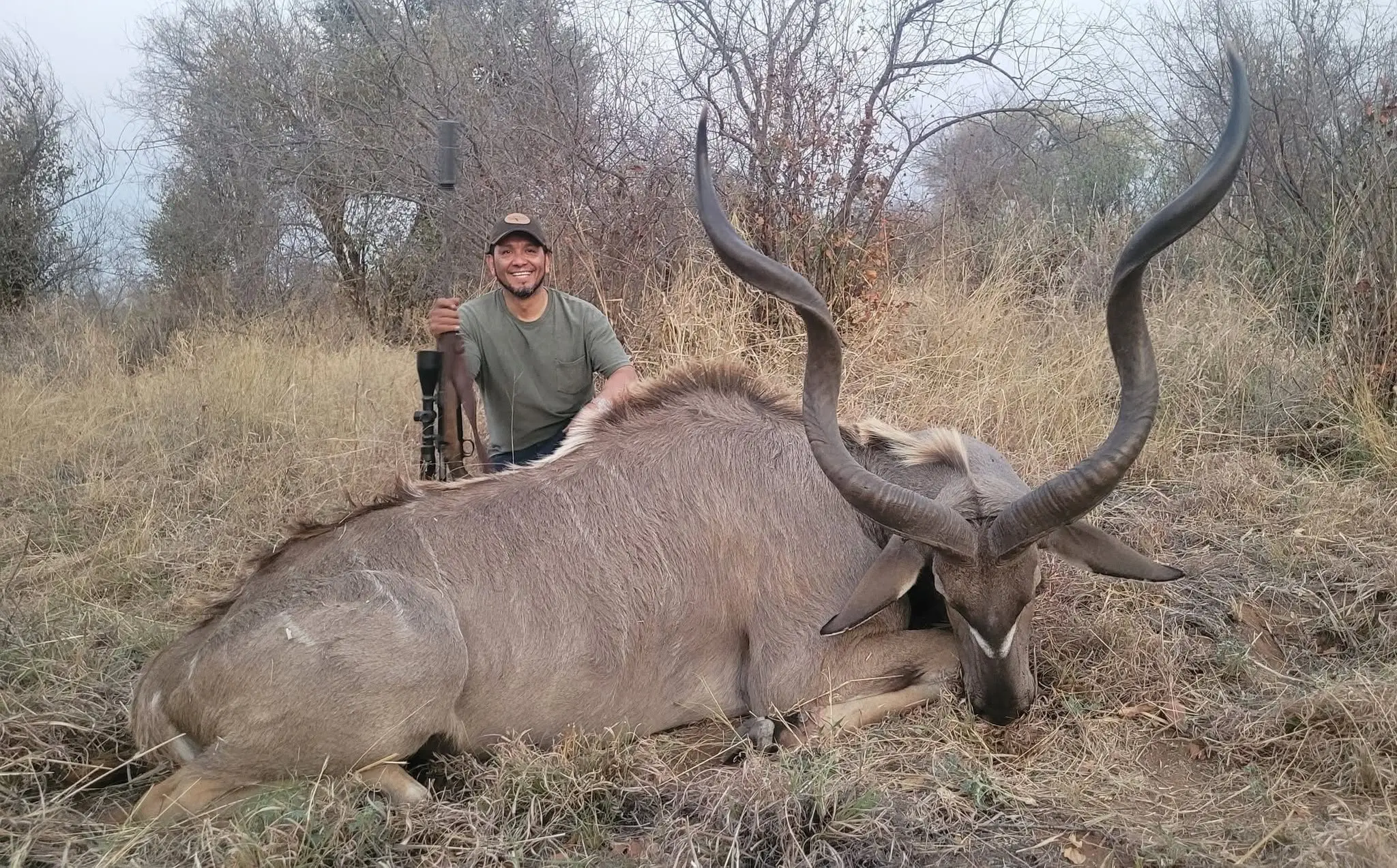
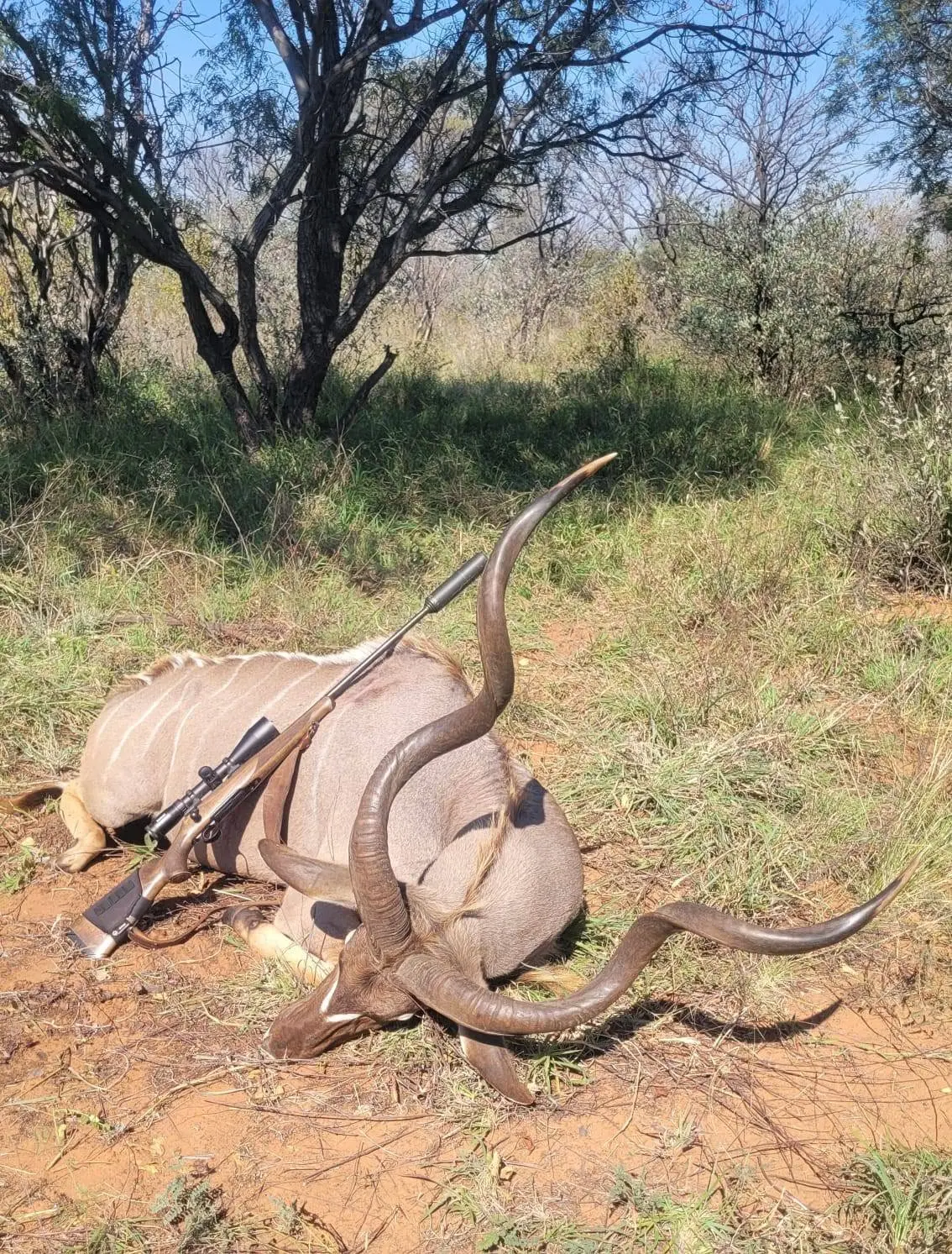
Few African animals capture the imagination of a hunter quite like the greater kudu. With its impressive spiral horns, alert nature and remarkable ability to disappear into thick bushveld, the kudu has earned one of African hunting's most famous nicknames: the Grey Ghost.
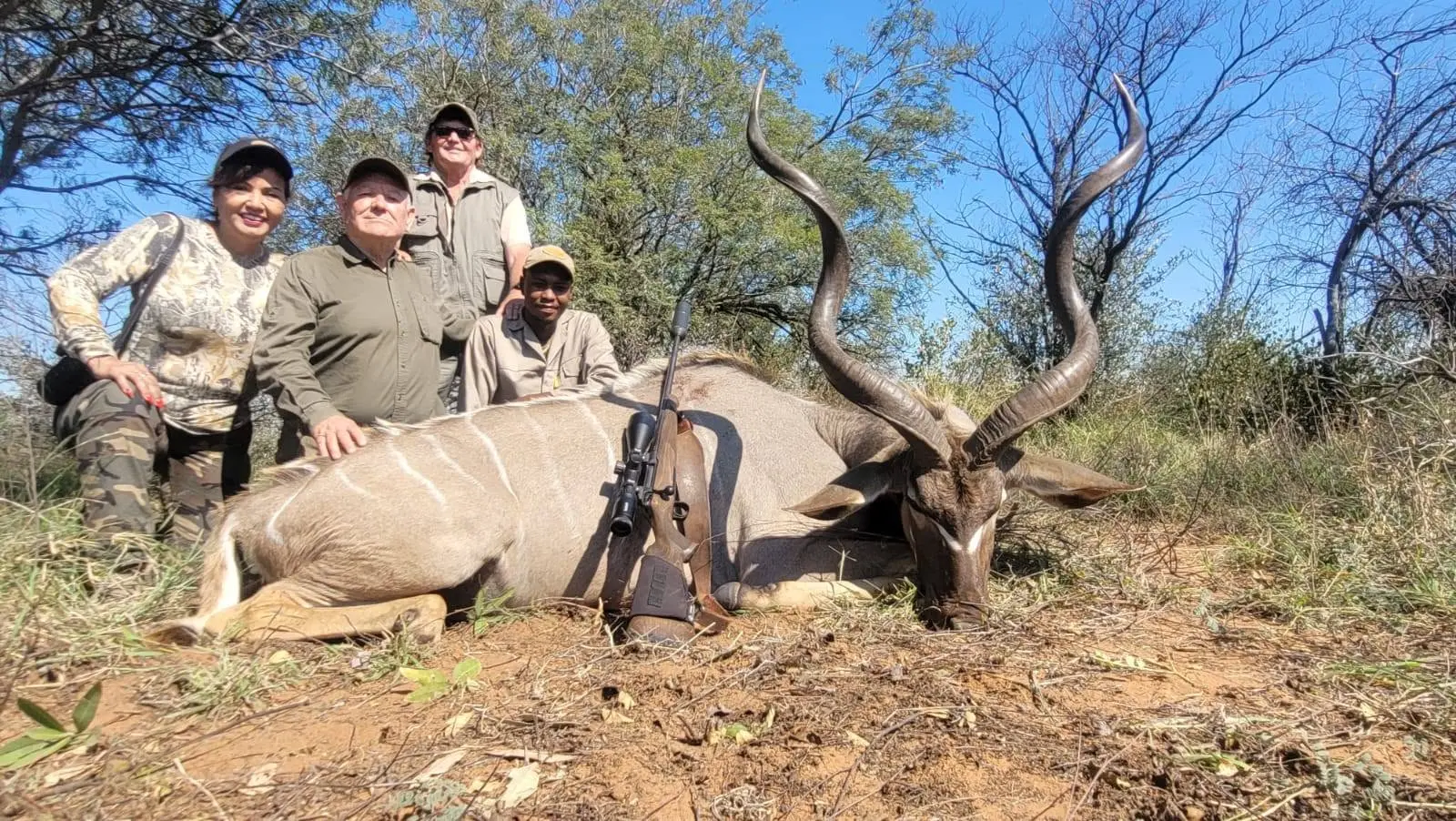
For hunters travelling to Limpopo, South Africa, pursuing a mature greater kudu can become one of the defining experiences of an African safari. Around the bushveld of Steenbokpan, the hunt is about much more than horn length. It is about reading the bush, moving carefully, working with your Professional Hunter (PH), staying patient and being ready when an opportunity finally presents itself.
Why Is the Greater Kudu Called the "Grey Ghost"?
The nickname makes sense the first time you try to keep track of a kudu moving through African bushveld.
Their grey-brown colouring, vertical white body stripes and preference for wooded habitat help them blend exceptionally well into their surroundings. A bull can be visible for a moment and then seemingly disappear behind vegetation.
South Africa's South African National Biodiversity Institute (SANBI) describes greater kudu habitat as including mixed scrub woodland, Acacia and Mopane bush across lowlands, hills and mountains. SANBI also notes that kudu are browsers, feeding extensively on woody vegetation. In Limpopo specifically, research referenced by SANBI found Mopane to be an important component of their dry-season diet.
For hunters, this means that finding a kudu and obtaining a suitable shot opportunity are two very different things.
Greater Kudu in the Limpopo Bushveld
Limpopo is classic kudu country. Bushveld vegetation provides food, shade and extensive cover, while changes in terrain and vegetation create the conditions that make searching for kudu particularly interesting.
At Modirwe Safaris, our hunting area is based near Steenbokpan in Limpopo, South Africa. Hunting this environment requires an understanding of the bush rather than simply covering kilometres.
A branch moving where there is no wind, tracks crossing a road, the shape of a horn through vegetation or the brief outline of an animal can be enough to change the direction of the hunt.
What Does a Typical Kudu Hunt Look Like?
There is no single formula for hunting greater kudu, and that unpredictability is part of its appeal.
Depending on conditions, a hunt may involve searching likely habitat, examining fresh tracks and sign, observing open areas and bush edges, or continuing on foot once a promising animal or fresh sign has been located.
1. Start Early
Safari days commonly begin early, while temperatures are cooler and the bush is coming alive. Your PH will decide where to begin based on current conditions and knowledge of animal movements.
2. Search for Sign
Tracks, droppings, feeding signs and recent sightings can help determine where animals have been moving.
3. Locate and Evaluate the Animal
Seeing a kudu does not automatically mean it is the animal you should pursue. Your PH may spend time evaluating the animal and the situation before deciding whether to continue.
4. Begin the Stalk
Once a suitable bull has been identified, the hunt may continue on foot. Wind direction, vegetation, noise and available cover all become important.
5. Wait for the Right Opportunity
The final few moments often require the most discipline. Branches, other animals, an unsuitable angle or the kudu moving again can prevent a shot.
A responsible hunter must be prepared to let an unsuitable opportunity pass. Your PH will guide you on whether a safe and ethical shot is available.
How Difficult Is Kudu Hunting?
Kudu hunting can be challenging because several skills come together at once: observation, patience, quiet movement, shooting preparation and the ability to follow instructions quickly when an opportunity develops.
A hunter arriving in South Africa does not need to know the Limpopo bushveld already. That is one of the reasons you hunt with an experienced local PH. What helps enormously, however, is arriving comfortable with your equipment and prepared to listen.
Practice realistic shooting positions before your safari rather than only shooting from a bench. Being comfortable with shooting sticks and knowing exactly how your rifle or bow performs can make a major difference when the moment arrives.
What Makes a Good Kudu Trophy?
One of the first numbers prospective kudu hunters encounter online is 50 inches. It is understandable why hunters discuss horn length, but a kudu should not be reduced to a single measurement.
When evaluating a bull, experienced hunters and PHs can consider several characteristics, including:
- overall maturity;
- horn length;
- depth and shape of the spiral;
- horn mass;
- symmetry;
- tip configuration; and
- the overall character of the animal.
Every kudu is different. Genetics, age, habitat and environmental conditions can all influence horn development.
Is a 50-Inch Kudu a Good Kudu?
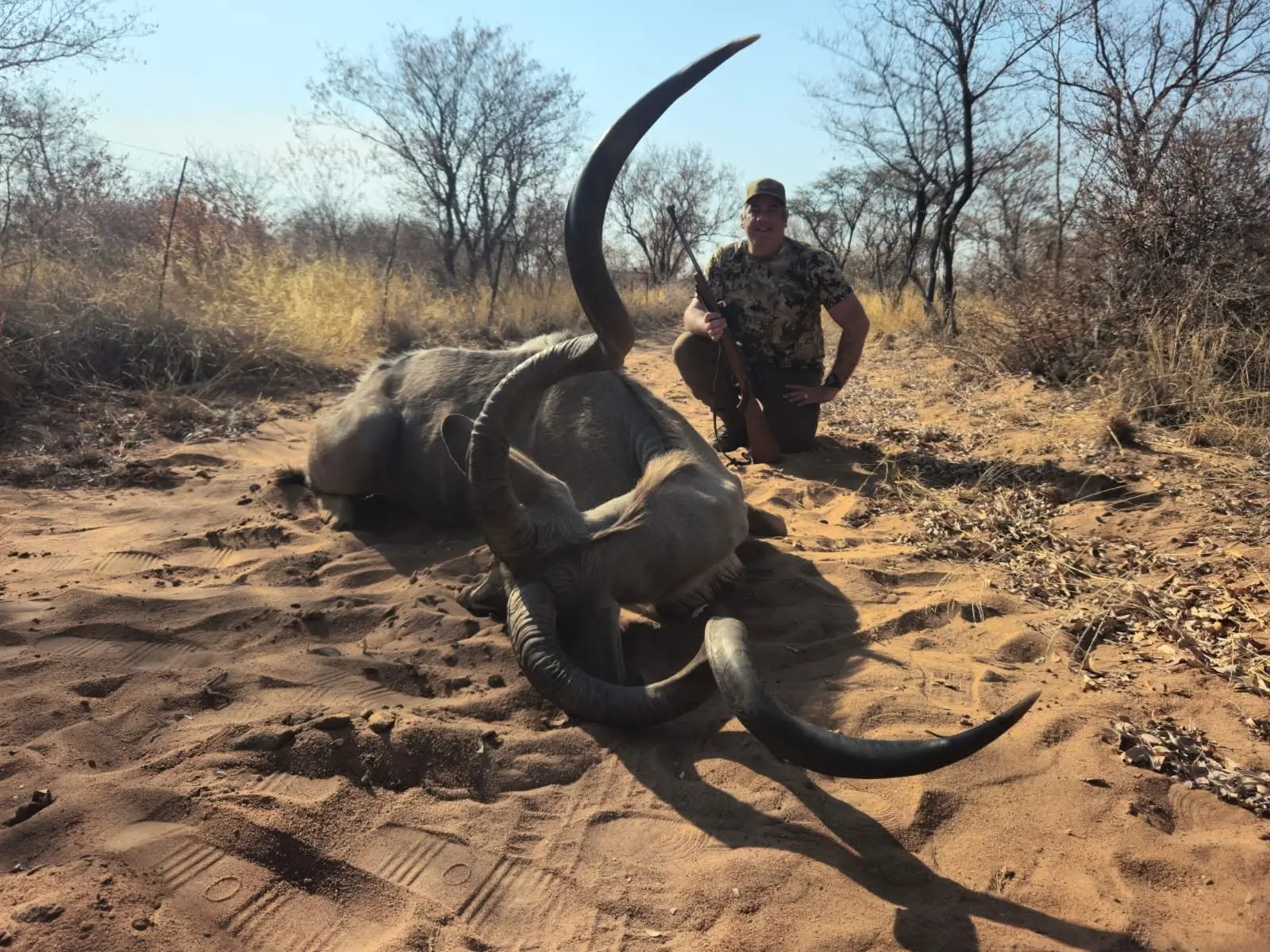
A 50-inch greater kudu is a benchmark commonly discussed among African hunters, but it should not be interpreted as a guaranteed or minimum trophy size.
For us, the quality of a safari is not determined by chasing a number at all costs. A mature bull taken after a memorable hunt can carry far more meaning than a measurement on a tape.
Rifle Hunting Greater Kudu in Limpopo
Rifle hunting is a popular method for pursuing greater kudu in South Africa. The bushveld can provide everything from relatively close opportunities in thick vegetation to longer opportunities where the terrain opens up.
There is therefore no single "standard kudu shooting distance". The actual distance depends on the property, vegetation, terrain, animal behaviour and circumstances on that particular hunt.
Before travelling, hunters should practise with the rifle and ammunition combination they intend to use and become comfortable from realistic field positions.
If you plan to travel to South Africa with your own firearm, read our separate SAPS 520 and firearm travel guide. Firearm import requirements can change, so always verify current requirements before travelling.
Can You Bow Hunt Greater Kudu in South Africa?
Yes. Greater kudu may also be pursued with appropriate bow-hunting equipment, subject to the applicable South African and provincial requirements and the conditions of the hunt.
South Africa's national Norms and Standards for Hunting Methods recognise longbows, recurve bows and compound bows for bow hunting. Under these national standards, kudu falls within the Category 3 large-game bow-hunting category.
Bow hunting places even greater emphasis on getting close, remaining concealed and waiting patiently for an appropriate opportunity. Depending on the property and circumstances, the method may differ from a rifle hunt.
If you are deciding which experience suits you, read our complete Rifle vs Bow Hunting in Limpopo guide.
When Is the Best Time to Hunt Kudu in Limpopo?
There is no single date that guarantees the "best" kudu hunt.
Conditions change throughout the safari season. Cooler and drier periods can reduce vegetation and alter visibility, while earlier or later periods can provide a different bushveld experience.
Temperature, rainfall, vegetation, water availability and animal behaviour can all affect how a particular safari unfolds.
Rather than selecting dates from a generic internet recommendation, speak to us about the species you would like to pursue and the type of safari you want. We can help you choose suitable dates based on your priorities and current conditions.
What Should You Pack for a Kudu Safari?
For the bushveld, practical clothing and comfortable footwear matter more than bringing a huge amount of equipment.
Neutral colours such as khaki, olive, brown and similar natural tones generally work well in bushveld conditions. Comfortable, already broken-in footwear is particularly important if your hunt involves substantial walking.
We have prepared a dedicated checklist for international guests. Before packing, see our Modirwe Safaris packing guide.
Can Kudu Be Combined With Other Plains Game?
Yes. Greater kudu is often one of several species international hunters are interested in when planning a South African plains-game safari.
Depending on availability, your objectives and the package arranged for your safari, a multi-species hunt can provide very different hunting experiences during the same trip.
You can view the animals and species associated with Modirwe Safaris while planning your safari. Always confirm current availability directly with us before making travel arrangements.
Why Hunt Greater Kudu With Modirwe Safaris?
A safari should be more than collecting an animal. It should be an experience you remember long after returning home.
Modirwe Safaris has been welcoming safari guests since 1996. From our base in the Limpopo bushveld near Steenbokpan, we focus on personal safari experiences, professional guidance and introducing international guests to the landscapes, wildlife and hospitality of South Africa.
Your time in camp is part of that experience too. After a day in the bush, guests can return to the lodge, relax, share stories and enjoy the atmosphere that makes an African hunting safari so distinctive.
If this will be your first trip to us, you can also read what to expect on a Limpopo hunting safari at Modirwe.
Frequently Asked Questions About Greater Kudu Hunting
What is a greater kudu?
The greater kudu (Tragelaphus strepsiceros) is a large African antelope. Mature males are particularly recognisable by their long spiral horns and grey-brown body with vertical white stripes.
Why is the kudu called the Grey Ghost?
The nickname refers to the kudu's ability to blend into wooded African habitat and seemingly disappear into thick vegetation despite its size.
Where can you hunt greater kudu in South Africa?
Greater kudu occur across several parts of South Africa, including Limpopo. Modirwe Safaris operates from the bushveld near Steenbokpan in Limpopo.
Is greater kudu hunting difficult?
It can be. Kudu use wooded habitat effectively, and successful hunting can require patience, careful observation, good wind management and quiet stalking.
Is a 50-inch kudu considered good?
Fifty inches is a measurement frequently discussed by hunters, but horn length is only one characteristic of a kudu. Maturity, mass, spiral shape, symmetry and the experience of the hunt should also be considered. No particular trophy measurement can be guaranteed.
Can I hunt kudu with a bow in South Africa?
Yes, subject to applicable legislation, permits, equipment requirements and the conditions of the hunt. South Africa's national hunting-method standards classify kudu as large game for bow-hunting purposes.
Can first-time African hunters hunt kudu?
Yes. A first-time African hunter can pursue kudu with the guidance of an experienced Professional Hunter. Preparation, familiarity with your equipment and following your PH's instructions are important.
Can I include kudu in a plains-game safari?
Potentially, yes. Species availability and package arrangements vary, so contact Modirwe Safaris before booking to discuss the animals you are interested in pursuing.
How do I book a kudu safari with Modirwe Safaris?
Contact us with your preferred travel dates, number of hunters and observers, hunting method and species wishlist. We can then discuss availability and suitable safari options with you.
Plan Your Greater Kudu Safari in Limpopo
For some hunters, kudu is the animal that first inspired the dream of hunting Africa. For others, it becomes the unexpected highlight of the safari after experiencing just how challenging it can be to find a mature bull in the bush.
Either way, pursuing the Grey Ghost through the Limpopo bushveld is about far more than pulling a trigger or releasing an arrow. It is about patience, tracking, observation, the relationship between hunter and PH, and experiencing wild South African bushveld firsthand.
Explore our available safari options and speak directly with Modirwe Safaris about your preferred dates, hunting method and species wishlist.
Contact Modirwe Safaris →
Important Hunting & Travel Disclaimer
Please note: This article is provided for general educational and safari-planning purposes and reflects information available at the time of publication.
Hunting legislation, provincial requirements, permits, firearm and bow regulations, species availability, hunting seasons, airline rules and other requirements may change. Requirements may also differ according to the hunter's nationality, country of departure, province, property, species and hunting method.
Information on this page should therefore not be treated as legal, firearms, travel or regulatory advice. Before booking or travelling, hunters remain responsible for confirming the latest requirements with the relevant South African authorities, airlines and authorities in their own country.
If you are unsure, please contact Modirwe Safaris before making arrangements and we will help point you toward the appropriate current information.
Plan your own Modirwe safari
Contact us for hunting packages, tourism experiences and available safari dates.
Plan Your Safari