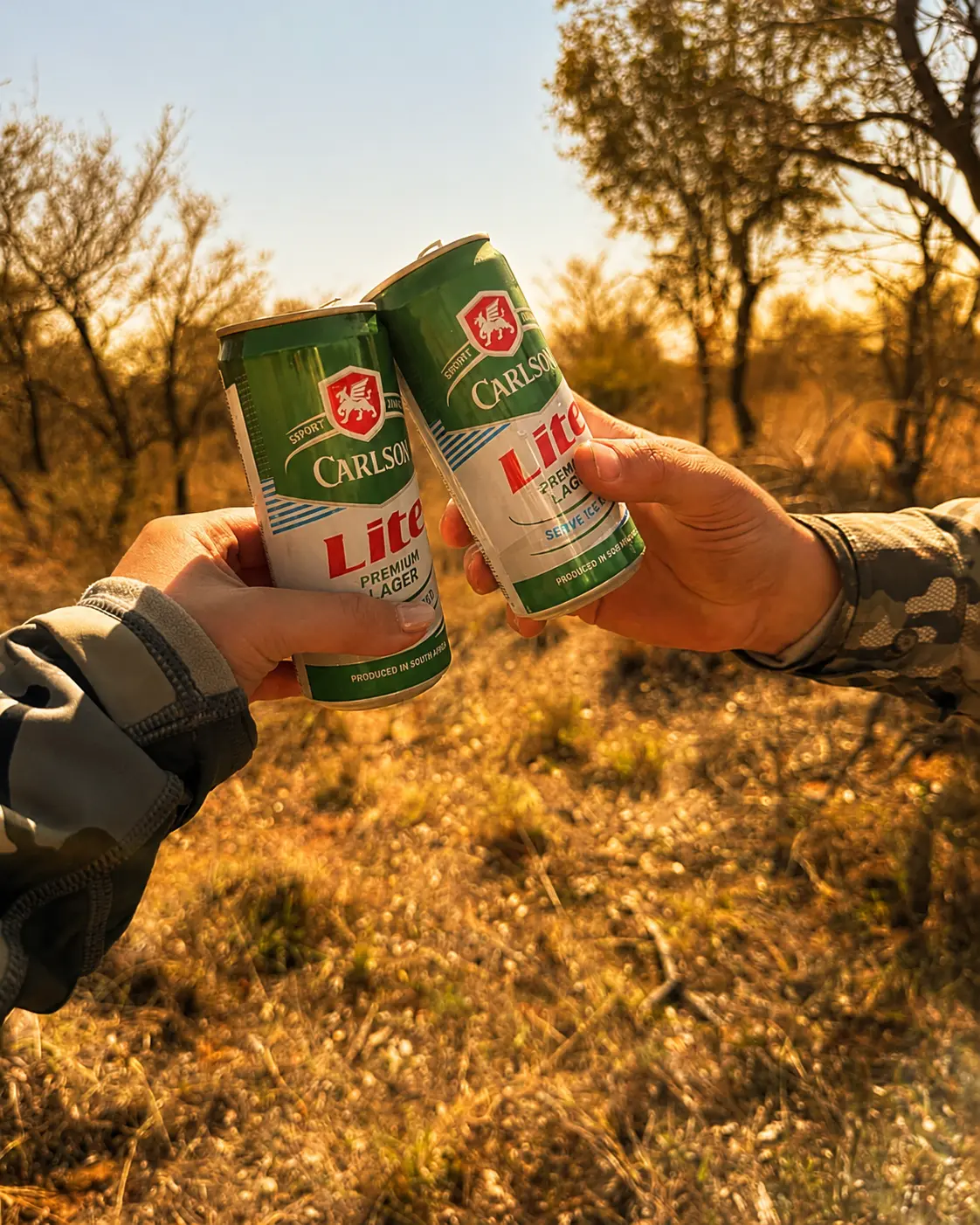
Discover what a typical day on a Limpopo hunting safari looks like, from early mornings in the bush and walk-and-stalk hunting to camp life and a golden-hour bush sundowner at Modirwe Safaris.
A hunting safari in Limpopo is about much more than the moment an animal is spotted or a successful stalk comes together.
It is the early start before sunrise. The first cup of coffee. The cool morning air. The sound of the bush waking up. Hours spent tracking, observing wildlife and covering ground with your Professional Hunter.
And then, when the African sun begins to disappear behind the bushveld, the pace changes completely.
At Modirwe Safaris in Limpopo, South Africa, a safari is not simply about hunting. It is about experiencing the bush, sharing stories, enjoying good company and taking home memories that last long after the journey is over.
Here is what a typical day on a Limpopo hunting safari can feel like.
Before Sunrise: The Safari Day Begins
Most hunting days in the Limpopo bushveld begin early.
The cooler morning temperatures often provide excellent conditions for heading into the field, and there is something unique about leaving camp while the horizon is only beginning to brighten.
After breakfast, coffee and a discussion about the day's objectives, hunters head out with their Professional Hunter.
Every safari is different.
Weather, animal movement, terrain, the species being pursued and the hunter's individual goals all influence how the day develops.
That unpredictability is part of what makes an African hunting safari special.
You are not following a fixed timetable.
You are following the bush.
A Morning in the Limpopo Bushveld
Limpopo offers the type of landscape many international hunters picture when they imagine South Africa: bushveld, open areas, thicker vegetation, dry river systems and long views interrupted by African trees.
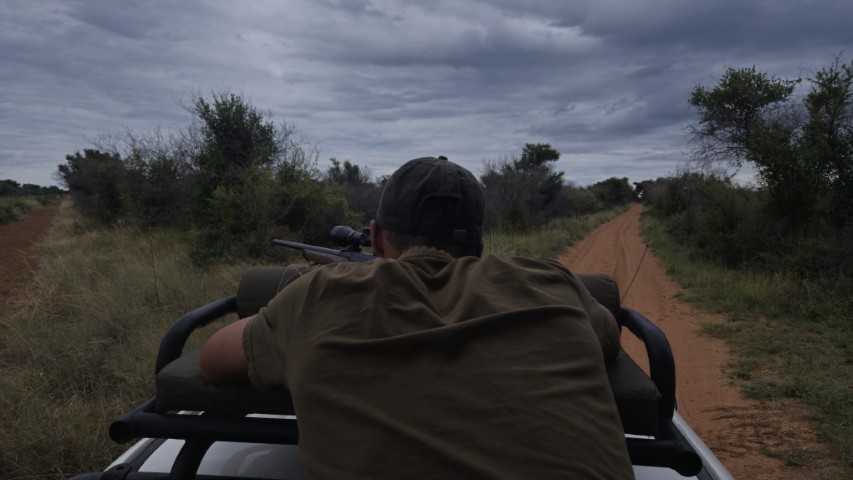
A typical hunting morning can involve driving to an area before continuing on foot.
Walk-and-stalk hunting requires patience.
You may spend time identifying tracks, watching the wind, glassing an area or carefully approaching game without being detected.
Sometimes an opportunity develops quickly.
Other times several hours can pass before the right situation presents itself.
That is hunting.
And it is also why the experience cannot be measured only by the number of animals taken.
Some of the best memories come from the stalks that almost worked, wildlife seen unexpectedly along the way, conversations with your guide and simply being somewhere very different from home.
Midday: Returning to Camp
As temperatures rise, the pace of the bushveld often slows.
Depending on the day's plan and where the hunting is taking place, guests may return to camp for lunch and some rest before heading out again later.
This part of the day is also an important part of the Modirwe experience.
A hunting safari is a holiday and an adventure.
There should be time to enjoy the camp, talk about the morning, have something to eat and prepare for the afternoon.
For international visitors who have travelled thousands of kilometres to South Africa, these quieter hours often become part of the memories too.
Back Into the Bush
During the afternoon, attention returns to the day's hunting objectives.
The Professional Hunter considers factors such as animal movement, wind direction, temperature and what happened during the morning.
No two days are exactly alike.
That is especially true during a longer Limpopo hunting safari.
One day may involve a long walk and a challenging stalk. Another may include more time glassing. Another might bring an unexpected opportunity almost immediately.
A good safari is therefore not simply a sequence of trophy photographs.
It is an experience that develops throughout the trip.
The Bush Sundowner: When Everything Slows Down
Then comes one of the most memorable parts of an African safari.
The sun begins to fall.
The harsh midday light becomes warm and golden.
The bush changes colour, temperatures begin to drop and another day in Africa comes to an end.
This is the time for a bush sundowner.
For some guests it may be a cold drink. For others, coffee, a soft drink or simply a few quiet minutes watching the sunset.
For adult guests who choose to enjoy an alcoholic drink, this is only after the day's hunting activities have finished and firearms have been safely secured.
The important part is not what is in the glass.
It is where you are.
Standing in the Limpopo bushveld after spending a full day outdoors is very different from watching a sunset at home.
There is no rush.
There are stories about what happened during the day.
There are plans for tomorrow.
And sometimes there is simply silence while everyone watches the African sun disappear.
Those are often the moments people remember years later.
More Than a Hunting Trip
This is what makes travelling to South Africa different from simply going hunting closer to home.
An African safari combines hunting with travel, wildlife, landscapes, camp life, food, friendships and experiences that are difficult to reproduce anywhere else.
At Modirwe Safaris, guests can experience the Limpopo bushveld while enjoying a personalised safari based on their hunting goals and the amount of time they have available.
Some visitors arrive with a specific plains game list.
Others want a combination of hunting, bird hunting, photography, sightseeing and time relaxing at camp.
Families and travelling companions may also experience South Africa differently from the hunters in the group.
There is no single correct way to experience Africa.
What Is a Typical Day Like on a Limpopo Hunting Safari?
A typical day usually starts before or around sunrise with breakfast and a discussion about the day's plans.
Morning hunting takes advantage of the cooler conditions before the warmer middle part of the day.
Depending on the location and hunting programme, guests may return to camp for lunch and rest before continuing during the afternoon.
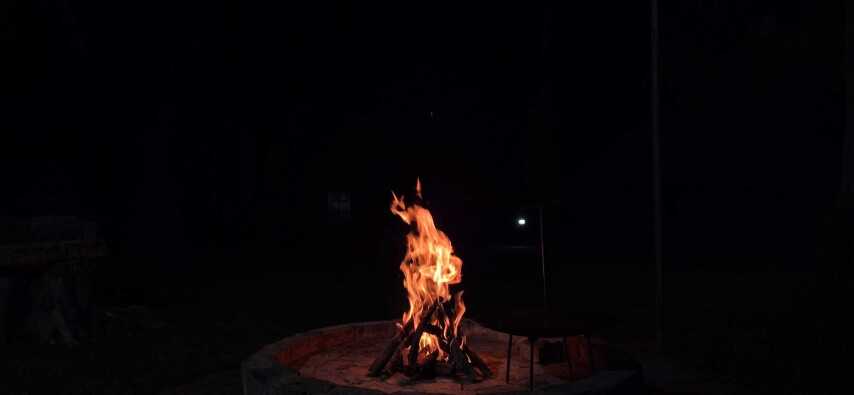
After the day's hunting is finished, evenings are normally about relaxing, enjoying dinner and spending time around camp.
The exact schedule changes according to weather, species, hunting conditions and each guest's objectives.
That flexibility is one of the advantages of a personalised safari.
How Many Days Should You Spend on Safari?
There is no perfect number for every hunter.
The right length depends on the species you hope to hunt, how relaxed you want the trip to be and whether you want to include other activities.
A longer itinerary gives hunters more flexibility.
It also provides more time to enjoy South Africa rather than feeling that every hour needs to produce a hunting result.
Visitors travelling internationally should think of the safari as the complete experience rather than only the hunting hours.
Why Hunt in Limpopo?
Limpopo is one of South Africa's best-known hunting and safari regions.
Its bushveld environment, wildlife diversity and established safari industry make it particularly attractive to international hunters.
Modirwe Safaris is based in the Steenbokpan area near Lephalale, Limpopo, giving guests an opportunity to experience this part of the northern South African bushveld.
For hunters researching a South Africa hunting safari, Limpopo hunting packages or their first African hunting experience, location is important.
But so is the atmosphere after the hunting day is finished.
A safari should be somewhere you want to stay, not simply somewhere you want to hunt.
Frequently Asked Questions
What should I expect on a Limpopo hunting safari?
Expect early mornings, time in the field with your Professional Hunter, walking and observing wildlife, midday breaks when appropriate, afternoon hunting and relaxed evenings back at camp.
What is a bush sundowner?
A bush sundowner is the tradition of stopping around sunset to relax and enjoy the African landscape after the day's activities. It can be enjoyed with water, coffee, a soft drink or another refreshment.
Is Limpopo good for a first African hunting safari?
Limpopo is one of South Africa's established safari regions and provides the bushveld environment, wildlife and safari infrastructure many first-time African hunters are looking for.
Can non-hunters come on a safari?
Yes. A South African safari can also include sightseeing, photography, relaxation and other experiences for partners, family members or friends who are not hunting.
How long should I book a South African hunting safari for?
It depends on your species list and travel plans. Hunters pursuing multiple species or wanting a more relaxed experience generally benefit from allowing additional days.
When should I start planning my Limpopo hunting safari?
International hunters should ideally start planning well in advance so that dates, travel arrangements, hunting objectives and any firearm-related requirements can be organised properly.
Experience Limpopo With Modirwe Safaris
A successful African safari cannot be measured only by what happens during the hunt.
It is measured in mornings you will remember, challenges overcome, people you meet, wildlife you encounter and evenings spent watching the sun set over the African bush.
Sometimes the simplest moment becomes the photograph that captures the entire trip.
Planning a hunting safari in Limpopo, South Africa? Contact Modirwe Safaris to discuss your dates, hunting goals and the type of African experience you would like to create.
Plan your own Modirwe safari
Contact us for hunting packages, tourism experiences and available safari dates.
Plan Your Safari