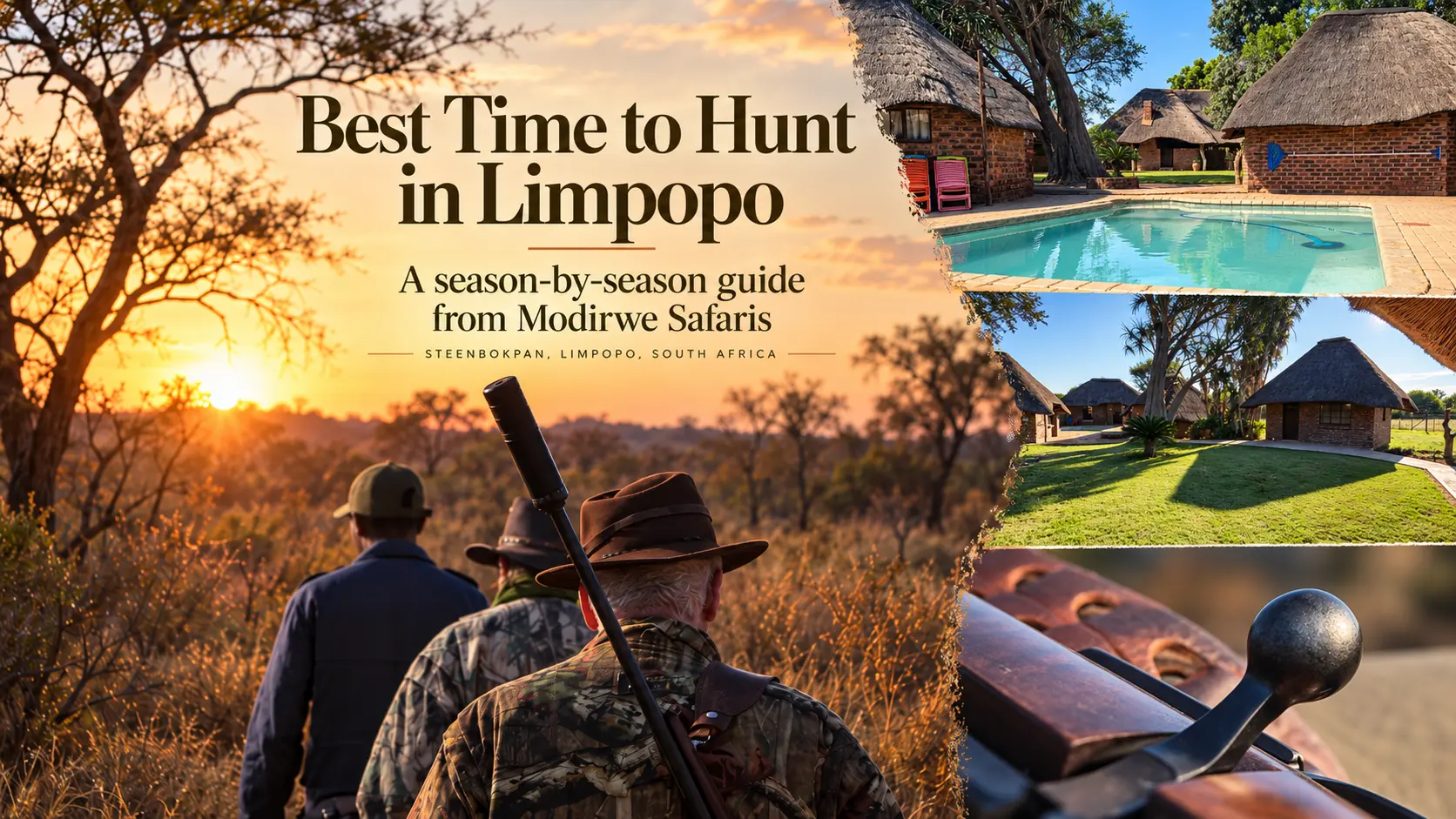
Which month is best for a Limpopo hunting safari? Explore all 12 months, dry-season conditions, walk-and-stalk hunting, family travel tips and 2027 planning with family-owned Modirwe Safaris near Steenbokpan.
For many hunters, May to August is an excellent starting point for planning a Limpopo safari: the region is usually in its dry season, early mornings are cooler and vegetation often becomes more open as winter progresses. April appeals to guests who like the transition from green summer bushveld to cooler weather, while September can suit those who prefer warmer afternoons and late-dry-season scenery. But there is no perfect month for every species or every hunter. Modirwe Safaris welcomes hunting enquiries year-round and generally arranges safaris from January through October, with some November dates by arrangement. Hunting dates, species, concessions and applicable permissions always need confirmation before travelling.
Modirwe Safaris: hunting enquiries are welcome throughout the year, with trips generally arranged from January through October and possible November dates by arrangement.
Picture two very different mornings in the South African bush. In February, the grass may be green, the air warm and the clouds building after summer rain. In July, you might leave camp wearing a fleece, follow tracks across cool sandy ground and return to the lodge under a clear winter sky. Both are Limpopo. Both can be memorable. And neither tells the full story about which safari is right for you.
At Modirwe Safaris, our home is a family-owned farm at Plaas Knopjesdoorn, approximately 15 km from Steenbokpan in Limpopo Province, in the greater Lephalale area of South Africa. Established in 1996 by Petrus Human, Modirwe offers personalised hunting and tourism experiences built around the people coming on the trip, not a one-size-fits-all date on a calendar.
We enjoy traditional tracking and walk-and-stalk hunting, with 4x4 vehicles used for access and safari support where practical. Alongside our home farm, we have hunting opportunities across numerous concessions and other arranged areas. The actual location depends on the species, access and arrangements for your dates. This guide explains the seasonal patterns you can expect and the questions we recommend asking before you reserve your 2027 safari.
- Why timing changes your safari
- Best months at a glance
- 2027 hunting-season timeline
- January to December: month-by-month guide
- How the seasons affect walk-and-stalk hunting
- Rifle, bow and bird hunting considerations
- Choosing dates around your species wishlist
- Modirwe's home farm and hunting concessions
- What it is like to stay at Modirwe
- Families and non-hunting companions
- What to pack for different months
- How many safari days to plan
- Booking your 2027 safari
- Travel, permits and practical planning
- Frequently asked questions
- Official references and further reading
- Your season, your Modirwe safari
1. Why Timing Changes Your Safari in Limpopo
The Steenbokpan and Lephalale region has a generally hotter, wetter summer and a cooler, drier winter. Much of South Africa's summer-rainfall region receives its main rain between October and March, according to the South African Weather Service. That is a broad climate pattern, not a prediction for a particular week or concession.
Seasonal changes can affect almost every part of a hunt:
- Cover and visibility: green summer growth may make some areas thicker; dry-season grass and deciduous foliage can make others more open.
- Tracking: rain, dry dust, wind and soil type all change how tracks and signs appear. Fresh signs matter more than any promise that one month is universally easiest.
- Walking comfort: some guests love cool mornings and long stalks; others prefer warm weather and lighter clothing.
- Wildlife movement: habitat, food, water and local disturbance affect animals differently in different areas.
- Your wider holiday: photographers, partners, children and friends who do not hunt may enjoy different conditions from the hunters.
Ask not only, "Which month is best in Limpopo?" but also, "Which dates make sense for our species, our preferred method and everyone travelling with us?"
2. The Best Months at a Glance
April: a transition month for guests who appreciate lingering green scenery and moderating warmth.
May–June: a popular choice for cooler mornings, more comfortable walking and the beginning of a drier bushveld feel.
July–August: classic winter conditions, often with cool starts, dry ground and more open vegetation.
September: late-dry-season conditions and warmer afternoons, but potentially more heat, dust or wind.
January–March and October: worth discussing if you prefer warmer conditions and do not mind possible summer rain. Confirm the relevant species and area.
November: possible hunting dates by prior arrangement, subject to species, area and availability.
December: a time for enquiries, planning and any separately confirmed arrangements; do not presume that a hunt is available.
This is a guide to typical conditions, not a ranking of trophy quality, proof of available species or confirmation of a legal season. A carefully planned April trip may be better for one group than an unplanned July trip.
2027 Hunting Season Timeline: Follow the Bushveld Through the Year
Use this at-a-glance timeline to explore the changing seasons at Modirwe. Select any month to jump to its detailed guide below. The weather patterns are general, while hunting dates and species must always be confirmed.
MODIRWE SAFARIS • 2027 SEASONAL TIMELINE
● JAN → FEB → MAR | GREEN SUMMER BUSHVELD
Warm weather, possible summer showers and thicker green vegetation. Hunting enquiries welcome; check access, weather and species rules.
January · February · March
● APR → MAY → JUN | TRANSITION TO THE DRY SEASON
Rain generally eases, mornings cool and walking often becomes more comfortable. An appealing period for traditional tracking and stalking.
April · May · June
● JUL → AUG → SEP | DRY WINTER TO SPRING
Cool starts, drier conditions and often more open bushveld; afternoons warm as September approaches. Pack layers and sun protection.
July · August · September
● OCT → NOV | WARMER DAYS AND RETURNING RAINS
Hotter weather and possible early thunderstorms. October is generally part of the safari calendar; November hunts may be arranged by enquiry.
October · November
● DEC | YEAR-END PLANNING
Summer heat, possible rain and a chance to plan your next safari. Any December hunting requires separate confirmation.
December
Choosing dates? For many guests, May–August is a strong starting point for comfortable walk-and-stalk conditions. January to October enquiries and possible November dates are welcome, but the right choice always depends on your species, concession and confirmed arrangements.
3. Month by Month: What to Expect in Limpopo
Use the month links to jump straight to the period you are considering: Jan · Feb · Mar · Apr · May · Jun · Jul · Aug · Sep · Oct · Nov · Dec.
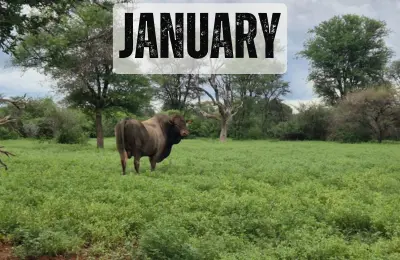
January — Summer Greenery and Mid-Summer Heat
January is typically part of the hot summer-rainfall period around Lephalale. Rain can bring green grass, new growth and dramatic skies, but warm, humid conditions and afternoon storms may complicate outdoor plans.
For Modirwe guests: January hunting enquiries are welcome. Because of the heat, summer rains and species-specific requirements, contact us to confirm the actual hunting area, permissions and available dates before making travel arrangements.
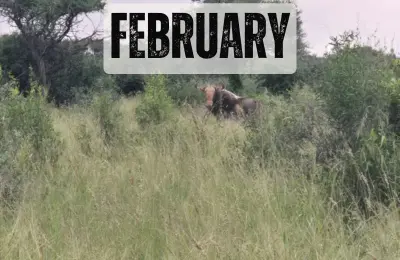
February — Warm Days and a Greener Bushveld
February may still be warm and wet, with thick summer vegetation in some areas. Walking and visibility can differ greatly from the winter months; rain can also alter access routes and daily schedules.
For Modirwe guests: February can be discussed as part of our hunting calendar, but opportunities remain subject to species, property, conditions and permits. If you prefer green landscapes to a brown winter bushveld, ask which arrangements suit this time of year.
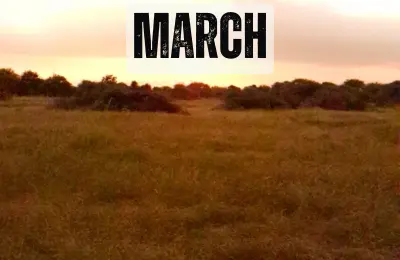
March — The Last Stretch of Summer Conditions
March is often still warm, though the transition towards autumn can begin. Some seasons stay wetter for longer than others. Grass may remain lush; the time of day and recent rainfall can influence comfort during a stalk.
For Modirwe guests: this month may interest hunters who want a warmer African safari, especially when travelling with companions who appreciate green scenery. Build a little flexibility into the itinerary.
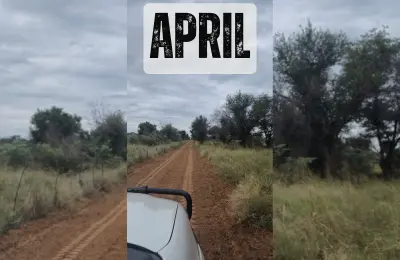
April — A Changing Bushveld
April can offer a pleasing balance of warmth and gradually cooler mornings. Rainfall often decreases, yet the vegetation may still hold some of its summer colour. The exact transition depends on the year's rainfall.
For Modirwe guests: an appealing month for a first safari or a mixed group that wants to hunt, take photographs and spend comfortable evenings together at the lodge. Ask about your specific concession rather than assuming it will look identical to the home farm.
May — Early Dry-Season Hunting Conditions
By May, conditions are often noticeably drier. Mornings may be cool, afternoons pleasant and walking more comfortable than during the hottest summer weeks. Some parts of the bushveld become less densely vegetated.
For Modirwe guests: May is one of the months we suggest considering for traditional walk-and-stalk experiences. Bring a light warm layer for early starts, even if the afternoon feels like summer to a visiting European or American.
June — Winter Begins in Earnest
June usually brings dry winter weather, cooler starts and less rain. Even in Limpopo, the air can feel surprisingly cold when you leave camp before sunrise. Warm clothing is useful until the day heats up.
For Modirwe guests: guests who enjoy walking and tracking on foot often appreciate these conditions. The day still depends on what fresh signs, animal movement and safe hunting opportunities the Professional Hunter finds.
July — A Classic South African Winter Safari
July is often one of the coolest periods of the year in the Lephalale region, with dry conditions and potentially chilly nights. Leaf loss and shorter grass can improve visibility in some areas, although cover and wildlife behaviour always vary.
For Modirwe guests: imagine coffee before sunrise, a careful stalk through the bush, and a three-course dinner after returning to camp. Pack layers: a cold early drive and a warm midday walk are both possible on the same day.
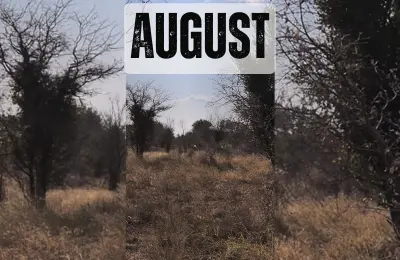
August — Dry Bushveld and the First Signs of Spring
August often remains very dry, while daytime warmth gradually returns. Some days can be windy or dusty. The vegetation may look golden and open where winter has reduced green growth.
For Modirwe guests: a good candidate if you appreciate winter hunting conditions but want somewhat warmer afternoons. Sun protection, water and realistic expectations about wind are important, especially for bow hunters.
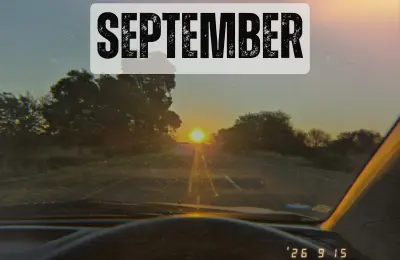
September — Warmer Days in the Late Dry Season
September can bring noticeably warmer afternoons and dry landscapes ahead of the main summer rains. Dust, heat and wind may feature, and the first spring changes are not always the same from one year to the next.
For Modirwe guests: this can be an attractive month for those who dislike cold starts but still enjoy relatively open bushveld. Plan hydration, sun protection and the pace of walking with your PH.
October — The Turn Back Towards Summer
October is often hot, and rain may begin returning to parts of Limpopo. One October can remain dry for much of the month, while another sees early storms and greening bushveld.
For Modirwe guests: October is part of our usual hunting calendar. Some November hunts may also be considered by arrangement. Confirm the species, location and proposed dates before booking; do not count on a particular rainfall pattern.
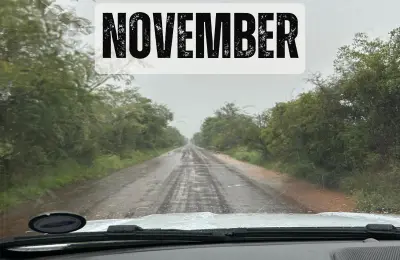
November — Building Summer Rainfall
November usually brings warmer, wetter conditions as the summer-rainfall season develops. New growth can change the colour of the bushveld quickly after good rain.
For Modirwe guests: November hunts may be possible by prior arrangement, subject to availability, lawful hunting seasons, access and weather. Contact us rather than assuming either that the month is closed or that a particular hunt is guaranteed.
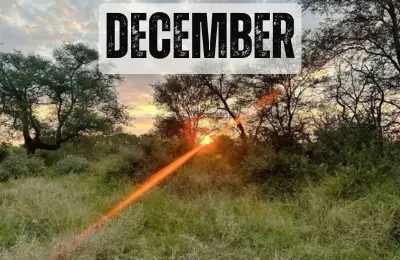
December — Summer Holidays and Planning Ahead
December is often hot and part of the wetter season, although rainfall is variable. Guests considering a South African summer holiday should anticipate heat and possible thunderstorms.
For Modirwe guests: please enquire about December travel or any special arrangements separately. Do not assume that hunting is available without confirmation. It is also a useful time to finalise your wishlist and dates for the following safari season.
4. Why the Season Matters for Traditional Walk-and-Stalk Hunting
At Modirwe, we value the experience of finding tracks, reading the wind, moving carefully, observing wildlife and working with the Professional Hunter. A 4x4 helps us reach suitable starting points and supports the day's logistics, but the heart of our preferred hunting style is being out in the bush on foot when conditions are safe and practical.
The seasons change that experience. In summer, thicker vegetation may offer cover but also reduce sightlines and create warmer walking conditions. In winter, an open view can help with observation while making it more difficult to approach unnoticed. Dry, powdery ground and damp sand each tell a different tracking story. There is no universal advantage that makes every stalk easier.
Not every guest has the same mobility or fitness. We discuss walking distances, breaks and possible adaptations beforehand. Any alternative approach depends on terrain, species, safety, area rules and the PH's judgement. A good safari should be challenging in the right way, not unnecessarily uncomfortable.
5. Rifle, Bow and Bird Hunting: Different Questions to Ask
Rifle hunting
Rifle hunts can involve patient spotting, tracking and stalking through varied terrain. The best date is not simply the driest month: it depends on the animal, the area, the terrain, the hunter's ability and when a responsible shot is possible. Tell us whether you are a first-time African hunter or an experienced returning guest.
Bow hunting
Bow hunting often requires closer opportunities, careful wind management and extra patience. Vegetation, blinds or other lawful setups, weather and species availability must be discussed for the actual area. An August wind or a February rain shower can change the day's approach, but neither automatically makes the month unsuitable.
Bird hunting
Bird hunting must be considered separately from plains-game hunting. Species, provincial rules, permitted methods and the applicable open season may differ. Never assume that Modirwe's general safari calendar applies to every bird species. Ask us to confirm what is lawful and available for your intended dates.
See our animals and hunting experiences for an introduction, then discuss your actual requirements with Petrus and the team.
6. Choose Your Dates Around Your Species Wishlist
Many international hunters begin with a favourite animal in mind: a greater kudu, impala, blue wildebeest, zebra, warthog, or perhaps sable or roan. It is tempting to look for an online chart that labels one month as the best for each species. In reality, that can be misleading.
Species availability and responsible selection depend on the property, local populations, concessions, regulations, management decisions and the individual's expectations. A species on a general website or an earlier price list is not a guarantee that it can be hunted on a particular date.
- Kudu and impala: tell us what sort of walk-and-stalk experience you want and allow realistic time for careful hunting.
- Wildebeest, zebra and other plains game: discuss the appropriate area, terrain and practical itinerary with the PH.
- Sable and roan: ask specifically about current availability, location and permissions before making them the centre of your trip.
- Multiple species: share your essential animals and a second list of optional species; this helps us plan more realistically.
Our advice is simple: send your species list before choosing your flights. We would rather discuss achievable plans than promise a hunt from an overly general seasonal calendar.
7. Our Family Farm, Concessions and Hunting Areas
The camp and lodge at Plaas Knopjesdoorn, approximately 15 km from Steenbokpan, are our family home base in Limpopo. Hunting also takes place on the family farm when appropriate to the safari and species. We do not describe the operation only by the size of one property: Modirwe has access to numerous hunting concessions and uses different areas to suit the itinerary.
These include concession opportunities around Steenbokpan and elsewhere in Limpopo. Other arrangements can be discussed for Gauteng and the Free State, including the Winburg area, subject to access, species, permissions and dates. They are separate properties, not one continuous block of land. We confirm the applicable area with guests before a hunt.
Why mention this in a seasonal guide? Conditions at one property can differ from another, even in the same month. A comfortable July morning at camp does not automatically mean identical terrain, vegetation or travel time at every concession.
For the family story behind the lodge, read Why Choose a Family-Owned Hunting Safari in Limpopo?.
8. What Your Stay at Modirwe Safaris Looks Like
After the tracking, travelling and excitement of the day, coming back to camp is part of what makes a safari memorable. Our lodge has five en-suite chalets with private bathrooms and showers, hosting up to 10 guests in normal arrangements. Groups requiring additional accommodation need separate arrangements in advance.
Guests can spend time in the lapa, relax at the swimming pool, enjoy the bar and lounge, and use Wi-Fi across the chalets and main guest areas, subject to normal connection variations. Daily laundry helps reduce the amount of clothing you need to pack.
Our three-phase solar-power system serves the lodge, chalets and main house, with a backup generator available when needed. It supports the practical comforts of camp without changing what most people come to enjoy: the atmosphere of the African bush.
Food is personal too. Our usual hunting packages include breakfast, lunch and dinner, with an evening three-course dinner — starter, main and dessert. Some guests prefer a light breakfast before an early departure; others want eggs and bacon. We discuss meal times, vegetarian preferences, cultural preferences and allergies before arrival so arrangements can be agreed.
Petrus Human, Modirwe's founder, owner, outfitter and PH, leads the hunting side; Retha Human is central to hospitality and the lodge experience; and PJ Human helps across guest emails, booking coordination, administration, accounting support, the website and social media. PJ is not always physically at the lodge but remains involved in the business and assisting guests with planning.
Explore our camp and accommodation page to see the lodge itself.
9. Planning With Family and Non-Hunting Companions
A safari can be a shared holiday even when not everyone wants to hunt. Some guests enjoy photography, birdwatching or simply a quiet morning at camp. Others want to ask about sightseeing or tourism experiences as part of a longer South African trip.
For families, the right month may be the one that balances hunting comfort with everyone's preferred weather. Winter mornings can be cold for a child or non-hunter; summer afternoons can be hot; and rain changes how outdoor activities are planned. Tell us how many people are travelling, their ages where relevant, what they enjoy and any mobility or dietary needs before confirming an itinerary.
Non-hunting activities, supervision, child suitability and any additional touring arrangements should be discussed and confirmed rather than assumed to be included.
10. What to Pack in Different Seasons
For May to August
Bring comfortable, broken-in boots, neutral-coloured hunting clothing, a warm fleece or jacket for dawn, and layers you can remove as the day warms. A brimmed hat, sunscreen and sunglasses are useful even in winter. The exact gear depends on your hunting method and concession.
For February to April, September and October
Lightweight, breathable clothing, sun protection, plenty of water and suitable boots are important. During the summer-rainfall months, a lightweight rain layer and protection for sensitive equipment may be useful. Ask about insect protection and any personal medication or health precautions with a qualified travel-health professional.
Because we offer daily laundry, you may not need a completely different outfit for every day. If you plan to bring a rifle or bow, discuss airline rules, local legal requirements and transport arrangements well before departure.
11. How Many Days Should You Spend Hunting?
The best safari is not always the longest, but rushing through an ambitious wishlist rarely improves the experience. When deciding on the number of days, consider your priority animals, number of hunters, whether anyone is bow hunting, the travel time between areas, and whether your group wants rest days or tourism.
We encourage guests to build in flexibility for changing conditions and the patient nature of traditional hunting. A walk-and-stalk can be rewarding even when the animal is never taken. Give the plan enough breathing room to appreciate the hunt and the people sharing it.
12. Booking a 2027 Limpopo Safari With Modirwe
Our 2027 price list and safari packages have not yet been officially released. You are welcome to enquire about possible dates, but prices, inclusions, species and availability must be confirmed directly when the new information is published.
Official Pricelist | Safari Packages | Contact Modirwe
When you email or message us, the following details make the conversation much more useful:
- Preferred dates: give us your ideal month and one or two alternative travel windows.
- Your party: number of hunters, non-hunters and children, if applicable.
- Method: rifle, bow or another activity you want to discuss.
- Species wishlist: separate must-haves from optional interests.
- Experience and mobility: first African safari, returning hunter, preferred walking distances or physical limitations.
- Country and arrival: where you are travelling from and any transport or firearm paperwork questions.
- Accommodation and food: special needs, allergies, vegetarian requirements and preferences.
- Other activities: photography, family time or possible sightseeing.
We welcome direct enquiries and can also coordinate with approved hunting or travel agents. PJ helps the family handle enquiries and planning correspondence, while Petrus and the relevant team confirm hunting arrangements. Do not book non-refundable flights based on an unconfirmed provisional hunting itinerary.
13. Travel, Hunting Permissions and Planning Ahead
International travel adds practical questions that should be answered early. Depending on your passport and itinerary, you may need to check visa conditions, airline luggage policies, firearm-import paperwork, transfer arrangements and the rules applicable to the specific hunting area.
For anyone bringing a firearm, see our guide to the SAPS 520 temporary firearm-import process. You can also read our guide to travelling to South Africa for a hunting safari. These are planning resources, not substitutes for current official requirements.
The Limpopo Environmental Management Act provides a legal framework for hunting and for open seasons declared by notice. Specific permissions and other national or provincial requirements may apply. Modirwe will need to confirm the actual hunting-area and species arrangements; hunters should never treat an online weather guide as authorisation to hunt.
14. Frequently Asked Questions About Hunting in Limpopo
What is the best month to hunt in Limpopo, South Africa?
For many visitors, May to August is a useful starting point because of generally dry weather and cooler early mornings. April and September may suit different preferences. The right month for your group depends on species, hunting area, method and availability.
What is the dry season in Limpopo?
In the Lephalale area, winter is generally the drier period. The South African Weather Service describes October to March as the main summer-rainfall season across much of South Africa, although each year can differ.
Is July too cold for a safari?
Not necessarily. July can be one of the best months for guests who enjoy cool early starts, but you should pack warm layers for mornings and evenings. Afternoons may feel much warmer.
Is September too hot for hunting?
September can be warmer, dustier and sometimes windy. Whether that is comfortable depends on your fitness, the planned walking and the conditions of the actual concession. Discuss it with your PH.
Can I hunt in January, November or December?
Modirwe welcomes hunting enquiries throughout the year and generally arranges hunts from January through October. November hunting may be possible by prior arrangement. December requires a separate enquiry; never assume availability without a confirmed itinerary and the required permissions.
Are all animals available throughout the safari calendar?
No. Species availability and lawfulness depend on the animal, property, management arrangements, applicable legal requirements and permissions. A general operating season is not a guarantee of every species.
Can I combine kudu, impala and other species in one safari?
Possibly, depending on dates, concessions, availability and the time required. Send your wishlist and we can discuss what is realistic rather than promising a fixed combination in advance.
Is the dry season better for bow hunting?
It can offer different visibility and access conditions, but close-range opportunities depend heavily on the area, wind, lawful setups and target species. Ask about the specific bow-hunting arrangements for your proposed dates.
Can my wife, husband, partner or children stay at Modirwe without hunting?
Yes, non-hunting companions are welcome by arrangement. Our five en-suite chalets normally accommodate up to 10 guests. Discuss activities, suitability, supervision and any special accommodation needs before booking.
Are the 2027 price list and packages available yet?
As at October 2026, Modirwe has not yet released its 2027 prices and packages. Visit our pricelist and packages pages for the latest published updates, and ask for a confirmed quotation for your trip.
Do you hunt only on the family farm?
No. Our lodge is based on the family farm near Steenbokpan, while hunting can also be arranged across numerous concessions and other areas. We confirm which areas are relevant to your safari before bookings are finalised.
15. Official References and Further Reading
This guide describes general climate and safari-planning considerations, not a weather forecast or a legal hunting calendar. For further information:
- South African Weather Service — Climate Questions: South Africa's general summer-rainfall pattern.
- South African Government — Geography and Climate: the country's broader weather regions and seasons.
- Limpopo Environmental Management Act — historical published text: legal background only; confirm the latest amendments, notices and permits with the appropriate authority.
- Modirwe Safaris — Contact and Booking Enquiries: ask for the current available dates. Published website season text may need updating to match confirmed arrangements.
16. Your Season. Your People. Your Modirwe Safari.
A beautiful green February morning, a crisp July sunrise and the golden grass of September can all tell different stories. Choosing the right time is about more than a weather chart. It is about who is travelling, what animals you hope to pursue, how you enjoy hunting, and the memories you want to take home.
Since 1996, the Human family has welcomed guests to the Limpopo bushveld with a personal approach to traditional hunting and hospitality. At Modirwe Safaris we would rather plan your trip properly than sell you the idea of one perfect month.
Send us your preferred dates, species wishlist, number of guests and hunting method. We will discuss the options, relevant hunting areas and lodge arrangements. 2027 prices and packages are not yet released as of October 2026.
Enquire With Modirwe Safaris
View Our Pricelist
Explore Our Packages
See Our Camp
Modirwe Safaris • Family-owned since 1996 • Approximately 15 km from Steenbokpan, Limpopo, South Africa
Take a walk on the wild side!
Plan your own Modirwe safari
Contact us for hunting packages, tourism experiences and available safari dates.
Plan Your Safari